2025-10
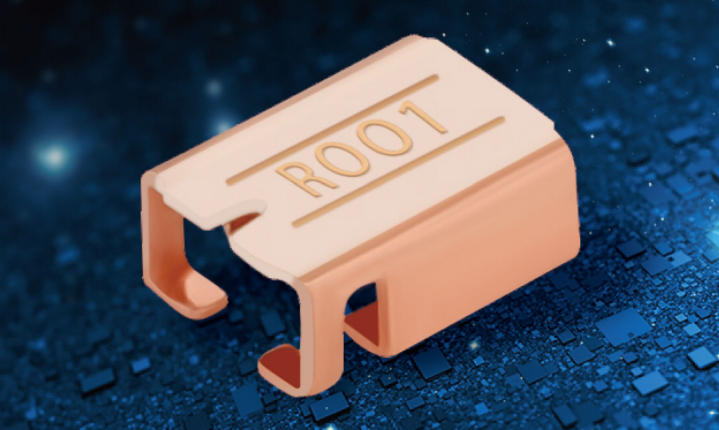
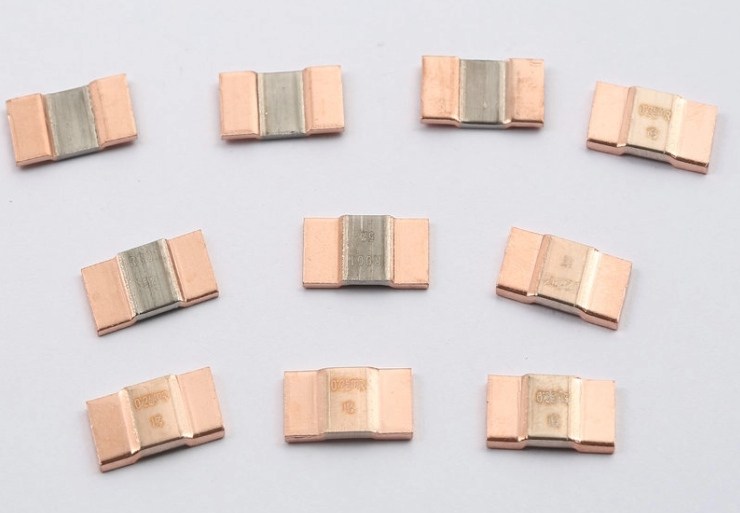
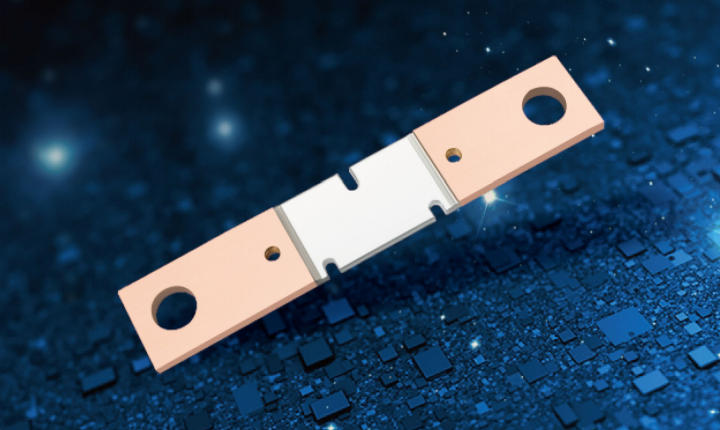
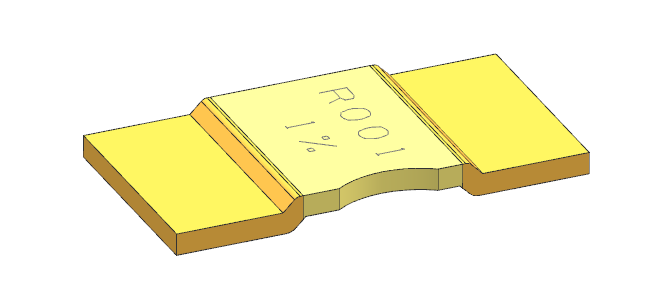
18A shunt resistor is a low resistance precision resistor that is typically connected in parallel in circuits for shunt current measurement. It has the ability to expand the range of ammeters and provide sampling functionality. The core principle is to adjust the main circuit current by diverting partial current. The smaller the resistance, the more significant the diversion effect. At the same time, the current value can be calculated by measuring the potential difference through series application.
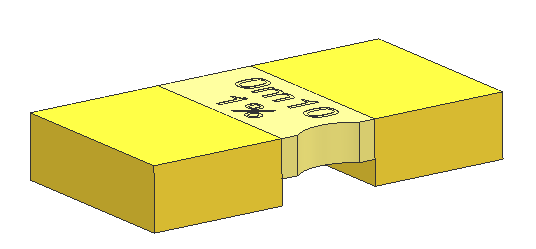
The resistor is designed with precision alloy materials and a non inductive structure, with a resistance range of 0.5m Ω -1 Ω and an accuracy of ± 0.01%. It has a low temperature coefficient (minimum 5ppm/℃) and high stability characteristics. In the application, resistance, accuracy, and temperature drift parameters need to be selected according to the scenario, among which the influence of temperature drift on the shunt ratio is a key factor in the selection of precision instruments.
The shunt resistor was originally designed to expand the range of an ammeter, and its historical use has been concentrated in the field of current measurement. With the advancement of technology, modern applications have expanded to precision detection scenarios such as feedback control and threshold monitoring, becoming a universal component for current detection in electronic devices.

 Language